Aquamox developed a chemical-free technology that turns water into aqueous ozone, a natural sanitizer that kills pathogens and leaves no harmful residue. After proving its reliability in commercial use, the company now plans to expand into new products and broader applications.

The Challenge
Savor the flavor without a doubt
Moxi
We tackled the project in four phases: first, researched the competitive landscape; then synthesized insights to define our target audience and their priorities; next, generated ideas, turning them into prototypes and testing with users; and finally, refined the best-fitting solution.

Our Solution
William Rutter, Piper Thaveesakvilai, Tianrui Sun, Bhairavi Ruparel
Team
Tools
Figma, Mural, Google Suite and Sharp 3D
UX Researcher and Product Designer
Individual Contribution
August 2023 - December 2023
Duration
Client
Aquamox

Step 1

Step 2

Step 3

Step 4

Step 5

Front View

Side View

Aquamox Cell Technology
Technology capability of the device created by Aquamox
-
Chemical-free
-
Reverts to water
-
Scalable
-
Safe
-
Pathogen Elimination
Potential application of aqueous ozone
-
Augmenting the sink
-
Healthy and fresh meals
-
For dog owners
-
Sanitizing Surface
Expansion
Opportunities
How might we create an Aquamox product that seamlessly fits into users' daily routine while making the task of cleaning fruits and vegetables hassle-free?

Conceptual product ideas
We conducted a competitive analysis of ozone-based cleaning products used in households, examining where they were applied, what users liked, how effective they perceived them to be, and the indicators that shaped these perceptions.
Key Insights
Gaps in the Produce Cleaning Market

A competitive analysis of existing produce washing products
Lack awareness about effective techniques, making produce cleaning a time-consuming task
Existing ozone water cleaning products present opportunities for optimization
Many rely on basic or inconsistent cleaning methods
Behind the Scenes of Home Hygiene
Interviews with frequent home cooks (ages 26–70) revealed diverse cleaning habits, preferences, and pain points ranging from produce preparation to pet-related hygiene. These insights highlighted key needs and opportunities for Aquamox to make cleaning more effective, convenient, and trustworthy.
Most cleaning routines center around the kitchen sink
Gaps in knowledge often leave people frustrated with cleaning
Cleaning is often seen as bothersome because of the time required
Cleaning gadgets are assistive but not substitutive
Cleaning is often described as both empowering and tiring
People associate pleasant scents and absence of visible dirt/grime with cleanliness
My Side Quest
The device also has an accompanying app, and I took this as an opportunity to design a digital experience that seamlessly connects with the physical product.

Typography and Colors

Meet Moxi
Moxi brings aqueous ozone, a powerful, safe, natural sanitizer, into your home. This ozone-infused water kills disease causing pathogens, removes residual chemicals and fertilizers, and leaves no residue as it naturally reverts to pure water in under 20 minutes. Already trusted by industrial kitchens to sanitize produce and prevent illness, it delivers the same professional-grade protection for everyday use.
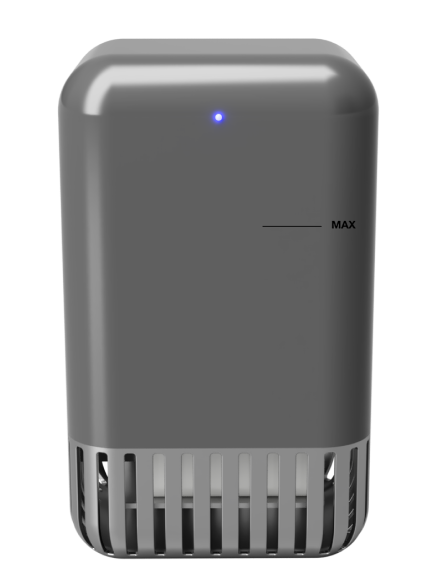
Side view
Moxi's Components
Front view
Indicator light
Polycarbonate device body
Stainless steel filter cage
Universal Pin
Water Outlet
A Simple Step-by-Step Guide to Using Moxi
Designed for Flexibility and Ease
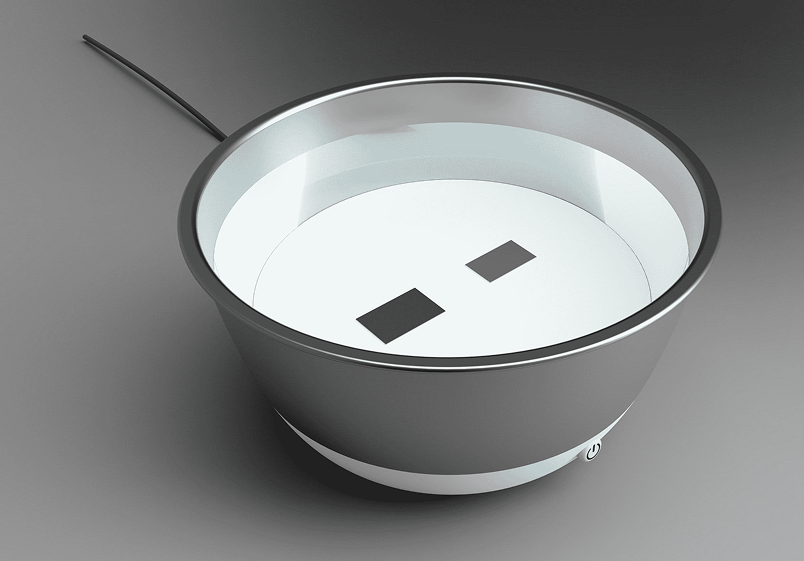
The goal is to make MOXI compatible with any bowl, while also offering a specially designed container for rinsing and sanitizing produce.


Moxi with another container

Moxi with designed container
Moxi application
Process
Research that shaped our product vision
Illness due to contaminated produce is a significant public health concern, with outbreaks impacting consumers.
These insights informed our product design and guided the creation of an effective, efficient, and accessible produce washing solution for everyday use.
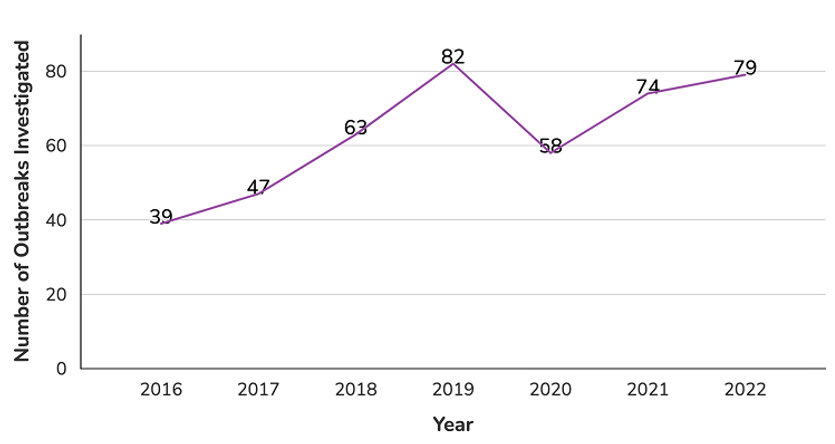
Number of multistate outbreaks investigated
Refining the Concept Through Usability Testing
We tested three different prototypes to evaluate user interactions and perceptions. This helped us see how people engaged with each version, identify concerns, and determine which concept resonated most.

Our key research questions included:
-
How do users interact with the concept?
-
What concerns do they have regarding the concept?
-
What key differences do they perceive between the various concepts?
-
Which concept do they prefer and why?
Participants interacting with prototypes
Feedback from our users...
What we heard
-
Keep it easy to use
-
Make it easy to store
-
Show that it's safe to use
What we saw
-
Must be user friendly
-
Many additional parts create confusion
-
Consider the space needed for countertops and bowls
We designed three iterations of Moxi, refining each based on user feedback and design criteria. Every iteration helped address challenges and enhance the design to better meet user needs.

Initial Concepts
.jpg)
Low --- High
Ease of use
Flexibility
Simplicity
User testing and evaluation of the three concepts, based on design criteria, indicated that the first concept, which attaches to the side of the bowl, was the most effective.
Storability
Perceived Safety
Key Insights
The compact size made it compatible with any bowl and easy to store on the counter without taking additional space.
The clip on the back facilitated ease of use, making the device intuitive to operate.
My Takeaway
This project deepened my understanding of the iterative design process, showing me the importance of balancing user feedback, functionality, and design criteria in every decision.
-
I learned the value of continuously testing and refining ideas through user research and feedback. Each round of feedback highlighted new opportunities and helped me design with greater empathy and clarity.
-
Defining clear criteria early on gave me a framework for making design decisions. It kept the team aligned and ensured that iterations were not just creative, but purposeful.
-
I gained experience navigating the space between user needs and client aspirations. Adapting designs to serve both taught me how to mediate priorities while keeping the end-user experience central.